
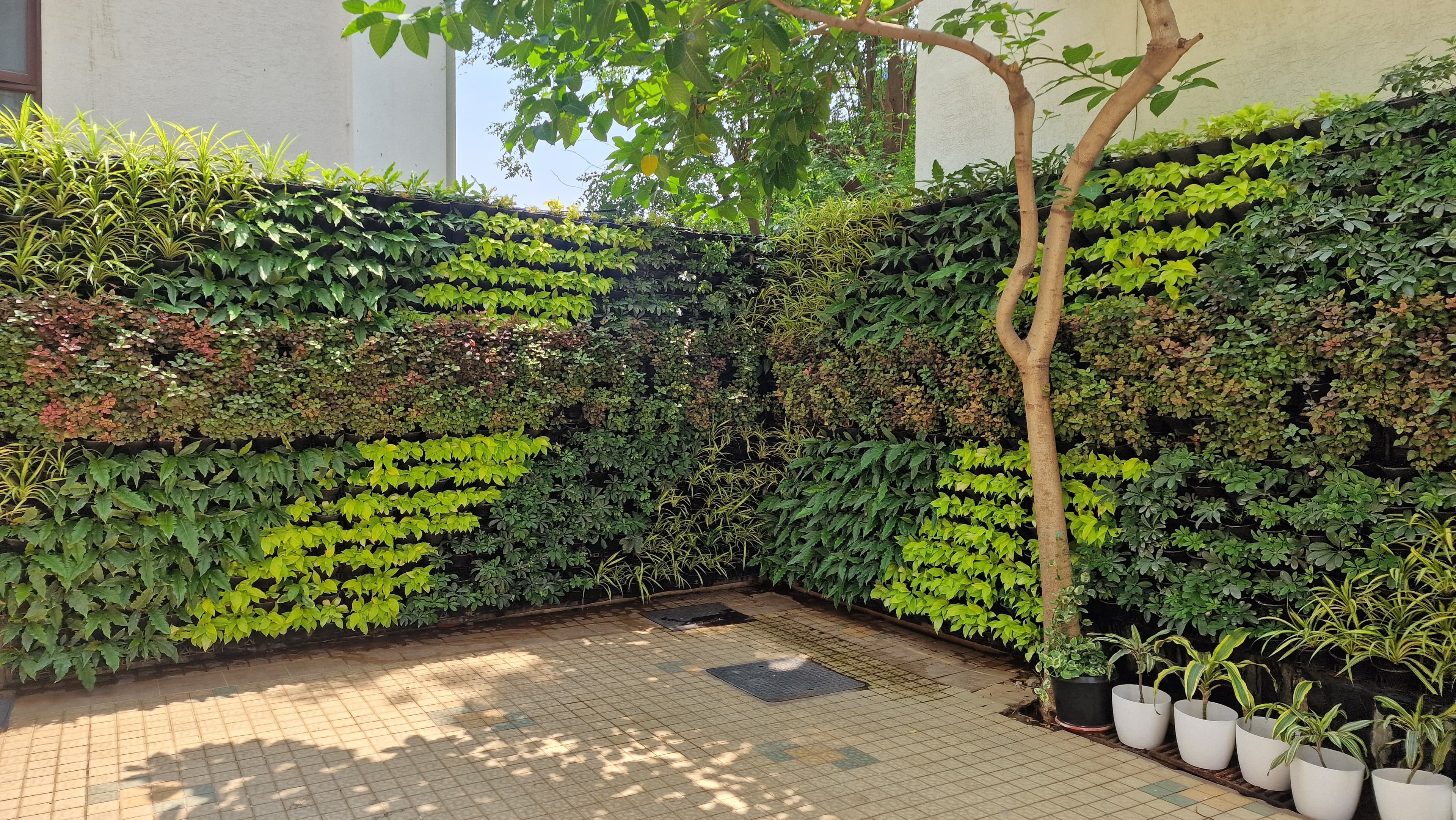
At SwayanKrishi, we believe landscaping is not just about plants and lawns. It is about creating living spaces that breathe, heal, and last for generations. This blog explains sustainable urban landscaping in simple terms — what it means, why it matters, and how it can transform homes, workplaces, and communities.
What Is Sustainable Urban Landscaping?
Sustainable urban landscaping is the practice of designing and maintaining green spaces in a way that:
- Works with nature, not against it
- Uses resources like water and soil responsibly
- Requires less long-term maintenance
- Improves quality of life for people
In simple words, it is about creating green spaces that are beautiful, practical, and environmentally responsible — whether it is a home garden, apartment complex, office campus, or public space. Unlike decorative landscaping that looks good for a short time, sustainable landscaping is planned to grow stronger with time.
Why Sustainable Landscaping Matters in Cities
Urban areas face several challenges today — rising temperatures, poor air quality, water scarcity, and lack of open spaces. Thoughtfully designed landscapes help address these issues naturally.
1. Cooler and Healthier Environments
Green spaces help reduce heat by providing shade and releasing moisture into the air. Trees and plants lower surface temperatures and make outdoor areas more comfortable, especially during hot summers.
2. Better Air Quality
Plants naturally filter dust, pollutants, and carbon dioxide from the air. Landscaped areas around homes and offices create cleaner, healthier surroundings.
3. Improved Well-Being
People feel calmer and more relaxed around greenery. Landscaped spaces encourage walking, outdoor activity, and social interaction — all essential for physical and mental health.
4. Responsible Use of Resources
Sustainable landscapes use native or climate-friendly plants, efficient irrigation systems, and natural soil management techniques. This reduces water usage and long-term costs.
Key Principles of Sustainable Landscape Design
At SwayanKrishi, every project follows a few core principles that ensure long-lasting value.
Understanding the Site
Every location is different. Soil type, sunlight, wind, drainage, and existing vegetation are studied before designing the landscape. Good design begins with respect for the land.
Right Plant Selection
Choosing the right plants is more important than choosing many plants. Native and adaptive species require less water, survive local climate conditions better, and stay healthier over time.
Balance Between Nature and Design
A sustainable landscape blends natural forms with functional design. Paths, seating, lawns, and planting zones are planned so that the space is both useful and visually pleasing.
Low-Maintenance Planning
Designing with future care in mind reduces unnecessary effort. Proper spacing, soil preparation, and plant selection help landscapes stay healthy without constant intervention.
Sustainable Landscaping for Homes
For homes and villas, sustainable landscaping creates peaceful outdoor environments that feel like a natural extension of living spaces. Practical elements include shaded gardens, kitchen gardens, and efficient irrigation systems.
Sustainable Landscaping for Offices and Commercial Spaces
Workspaces benefit greatly from green design. Landscaped office campuses improve employee productivity, reduce stress, and enhance brand image. Vertical gardens and breakout spaces are becoming essential parts of modern commercial design.
How SwayanKrishi Approaches Landscaping
Our philosophy is simple: Transforming Spaces Into Living Art. We combine traditional knowledge of soil and plants with modern design thinking. Every project is treated as a long-term relationship with the land — not a short-term installation.
Ready to transform your space?
Whether you are building a home, managing a workplace, or planning a community space, thoughtful landscaping can make a lasting difference.
Start a Conversation